Diane Skinner

Awards

Unsung No More:

The Conservationists Protecting Africa's Wildlife from Within

The Diane Skinner Unsung Hero in Conservation Award exists because some of the most important conservation work happening on this continent will never make headlines.

They are named for Diane Skinner, co-founder of the Painted Wolf Foundation and a deeply respected African conservation leader, who passed away in 2022 at just 41 years old. Diane worked without ego, never seeking self recognition, selflessly, strategically, and always with her eye on what the wildlife actually needed. She believed that the future of Africa's wild spaces lay in empowering African conservationists, and especially African women, to lead.

Two Awards bear her name. The Diane Skinner Award for the Unsung Hero in Conservation honours individuals doing transformative work far from the spotlight, people whose impact speaks loudly even when they do not. The Diane Skinner Conservation MBA Scholarship for an African Woman exists because Diane saw, clearly and urgently, that women were underrepresented in conservation leadership, and that closing that gap required investment, not just intention.

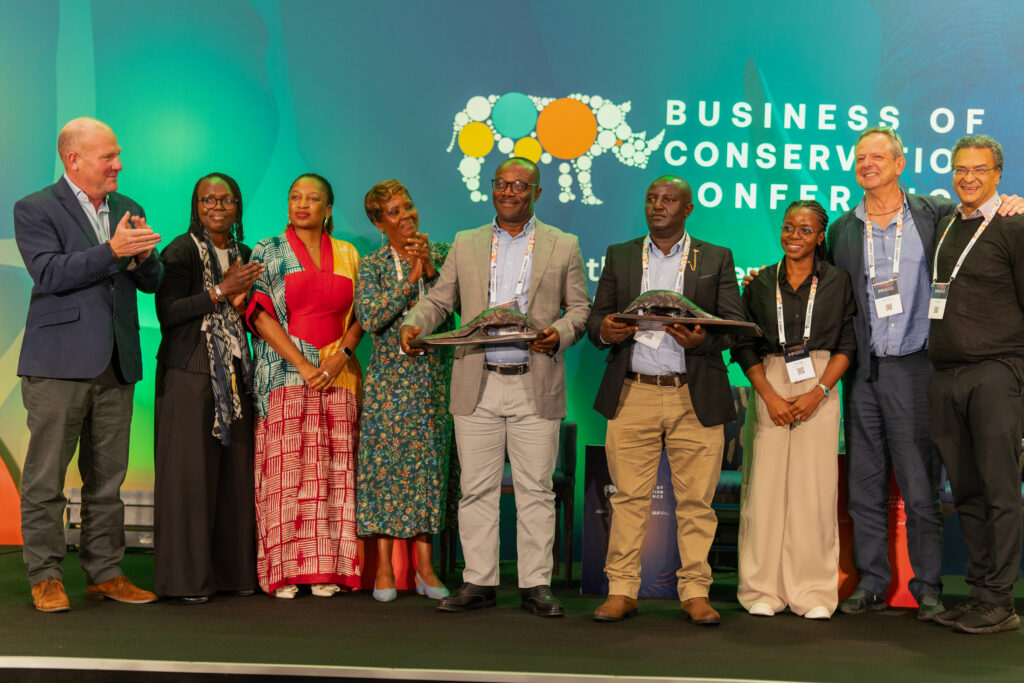
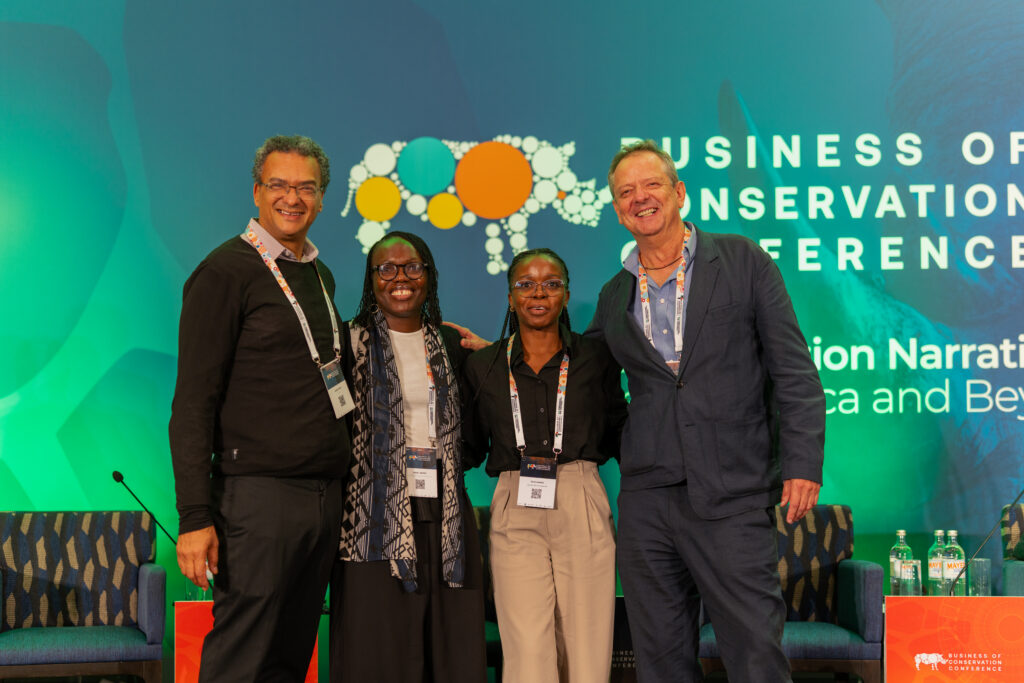
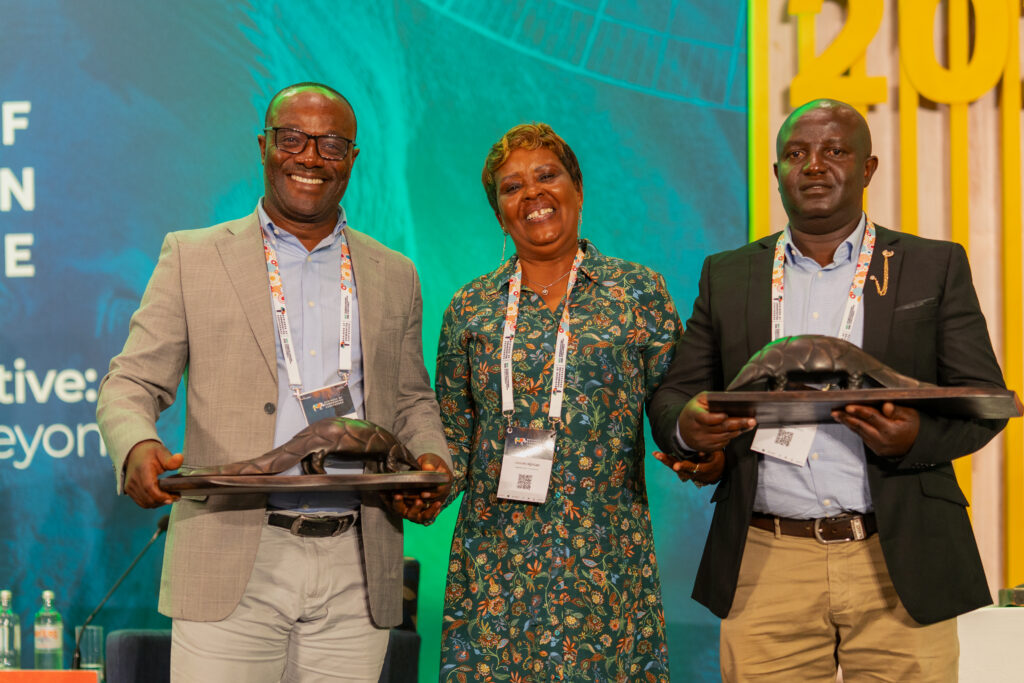
In March 2026, both awards, jointly hosted by the Painted Wolf Foundation and the African Leadership University's School of Wildlife Conservation, were presented at the Business of Conservation Conference in Nairobi. At BCC this year, we presented the award for 2024 and 2025 (because of the postponement of the 2024 BCC) and the MBA scholarship. The recipients this year, a gorilla protector working in the forests of the Democratic Republic of Congo, a Maasai conservationist rebuilding coexistence in northern Tanzania, and a rising conservation leader from Zambia, each embody something Diane understood deeply: that the people closest to the land are often its most powerful defenders.

Urbain Ngobobo: 2024 Winner of the Diane Skinner Award for the Unsung Hero in Conservation


The first thing the community thought, when they saw the young man pitch his tent deep in the forest, was that he had come to take something.

It was a reasonable assumption. The forest of eastern DRC, remote, volatile, and at that time the epicentre of a baby gorilla trafficking trade, had seen plenty of outsiders arrive with promises and leave with profit. But Urbain Ngobobo hadn't come to take anything. He had come with a single tent, and a question that had been troubling him since he learned that a gorilla had died even under the watch of its protectors: what about the ones nobody is watching at all?

Having worked across several of Congo's national parks, Virunga, Maiko, Garamba and Upemba, with the Zoological Society of London and the Frankfurt Zoological Society, Urbain understood the landscape of Congolese conservation intimately. But when he joined the Dian Fossey Fund in 2011, he turned his attention to a more invisible problem: Grauer's gorillas (Gorilla beringei graueri), a critically endangered subspecies living entirely outside protected boundaries, unseen by conservation systems and exposed to traffickers.

Having grown up beside these forests, he understood something that maps and policies could not capture: that any protection which excluded the local community was protection that would eventually fail. So he started with three people in the Nkuba Conservation Area . He tracked, monitored, and recorded alongside them. He invested in their education. Slowly, family by family, suspicion gave way to trust. The programmes grew. So did the area.

On four different occasions when Urbain was kidnapped by rebels, it was the community who went directly to the kidnappers and demanded his release.

That moment says more about what he had built than any statistic could. But the statistics are remarkable in their own right. Over the last five years alone, the Nkuba Conservation Area has grown from 700 to more than 2,400 square kilometres of protected forest, home to an estimated 200 to 400 Grauer's gorillas alongside a host of other endangered species. The area holds official recognition from the Congolese government, and the community holds traditional land ownership rights over the land they have always called home. More than 500 students pass through education programmes each year. Over 10,000 people benefit from livelihood initiatives built around the conservation area's sustainable use.

Urbain holds a master's degree in innovation and development and is completing a PhD in natural resources management with a specialty in ethno-primatology. He is now leading efforts to assess the forest's carbon storage and develop a carbon credit programme that meets the highest international standards. It is the same logic that has driven everything he has done: that for the conservation of natural resources to endure they must belong to the people who live there.

It began with one tent pitched in a trafficked forest, and three neighbours willing to take a chance. It has become one of the most compelling community-led conservation stories in Central Africa.

Elvis Kisimir: 2025 Winner of the Diane Skinner Award for the Unsung Hero in Conservation

As a boy growing up near Tarangire, Elvis Kisimir fell asleep to the sound of lions.

By the time he was a teenager, he could go an entire year without hearing a single call.

He knew why. Across the Maasai communities of northern Tanzania, retaliatory poisoning and spearing of lions had become a common response to livestock losses, a cycle of conflict that was quietly emptying the landscape of its predators. Most people accepted it as an inevitable friction between human survival and wildlife. Elvis, who loved lions, chose to see it as a problem worth solving.

When he joined African People and Wildlife in 2010, Elvis brought something no external conservationist could: he was Maasai. He had grown up inside this tension. He understood the grief of losing livestock overnight, the pressure on young warriors to respond, and the particular weight of trust that only comes from shared identity and lived experience. He used all of it to build bridges where there had only been fractures.

He helped establish Warriors for Wildlife, training local men and women not as rangers, but as conflict responders, educators, and monitors embedded within their own communities. The programme now operates across northern and central Tanzania and into Kenya, documenting incidents in real time and building a database that shapes both immediate response and long-term conservation planning across the region.

He was also part of the team that designed the Living Walls programme, reinforced enclosures grown from living plants, rooted in local knowledge, that protect livestock through the night. From a single pilot, Elvis guided its expansion to more than 2,100 living walls, achieving 98% effectiveness against nighttime predator attacks. Among more than 25,000 community members, tolerance for six large carnivore species has measurably and verifiably grown.

Today, Elvis is expanding this model further, adapting Warriors for Wildlife to address rising human-elephant conflict in the Ngorongoro Conservation Area, taking the lessons learned with lions and applying them to one of the continent's most complex and consequential wildlife challenges.

But Elvis will tell you his proudest achievement is not a programme or a statistic. It is watching the next generation of Maasai warriors grow up choosing coexistence over retaliation, seeing conservation not as something imposed from outside, but as something that belongs to them. And it is hearing, once again, the lions of Tarangire calling through the night. More than 600 of them now live in mutual tolerance with the communities and government of one of East Africa's most important wildlife strongholds. The boy who grew up listening to lions helped bring them back. And the landscape is louder for it.
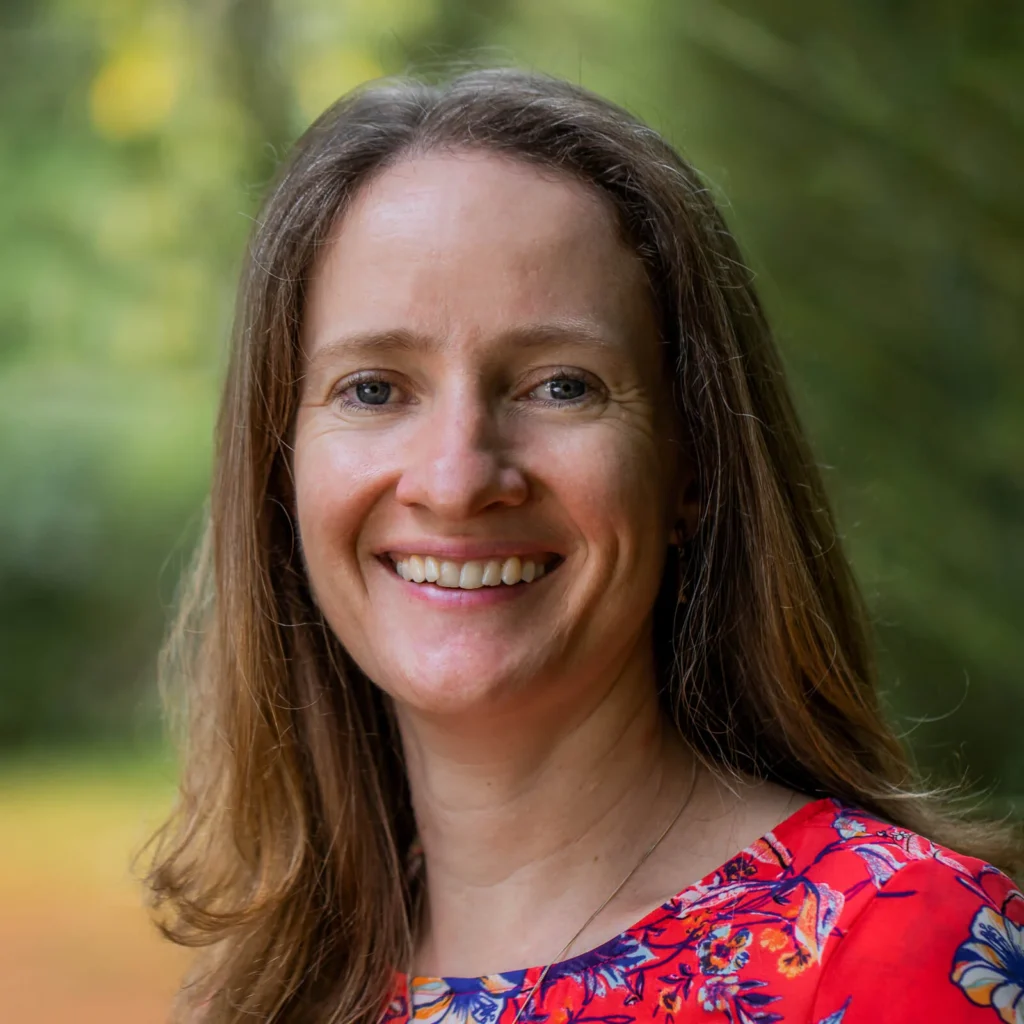
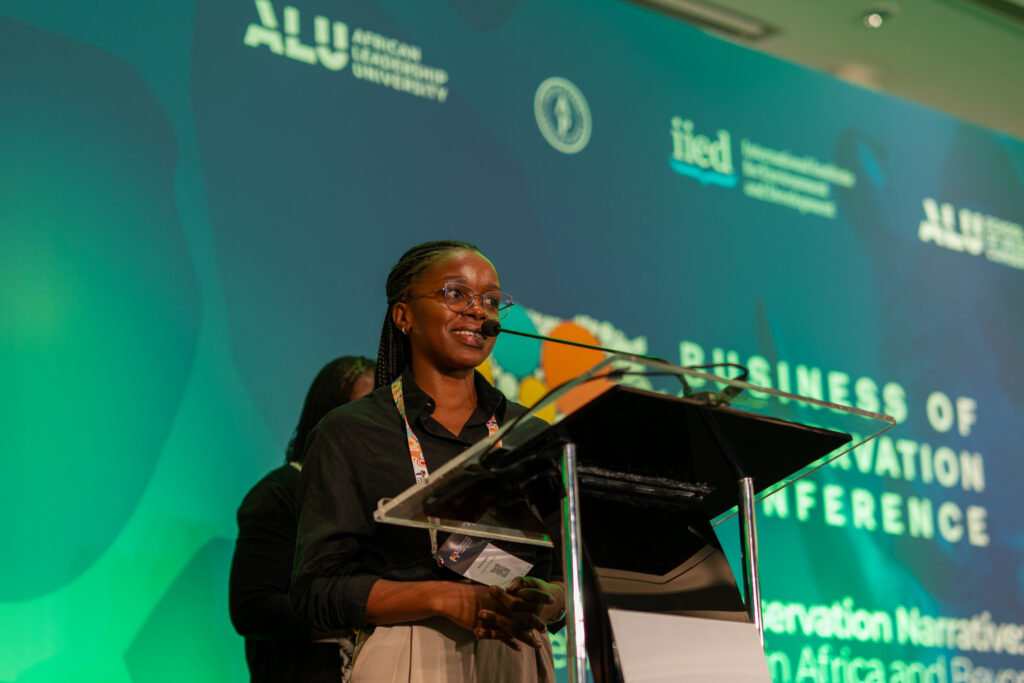
Ruth Kabwe: Inaugural Winner of the Diane Skinner Conservation MBA Scholarship for an African Woman

Alongside the Diane Skinner Award for the Unsung Hero in Conservation, the Business of Conservation Conference also saw the inaugural presentation of the Diane Skinner Conservation MBA Scholarship for an African Woman, perhaps the most personal expression of what Diane believed and what she spent her career working towards.


This year's recipient is Ruth Kabwe, a conservationist from Zambia whose work is built on a conviction that will be familiar to anyone who has read the stories above: that lasting conservation only succeeds when people feel empowered to protect the natural world that we all depend on.

Ruth holds a BSc in Ecology from Copperbelt University and advanced studies in International Wildlife Conservation from Oxford University. As Project Manager at the Painted Wolf Foundation, she manages grants through the Painted Dog Fund, working directly with conservation partners across the region, not simply administering support, but championing a model of shared ownership in which partners see themselves as custodians of their own landscapes. She will be undertaking the Executive MBA at the African Leadership University, where she will build the management skills to match an already formidable scientific and field background.

The scholarship exists to develop the next generation of African conservation leaders. In Ruth Kabwe, it has found exactly the right place to start.

...

LinkedIn